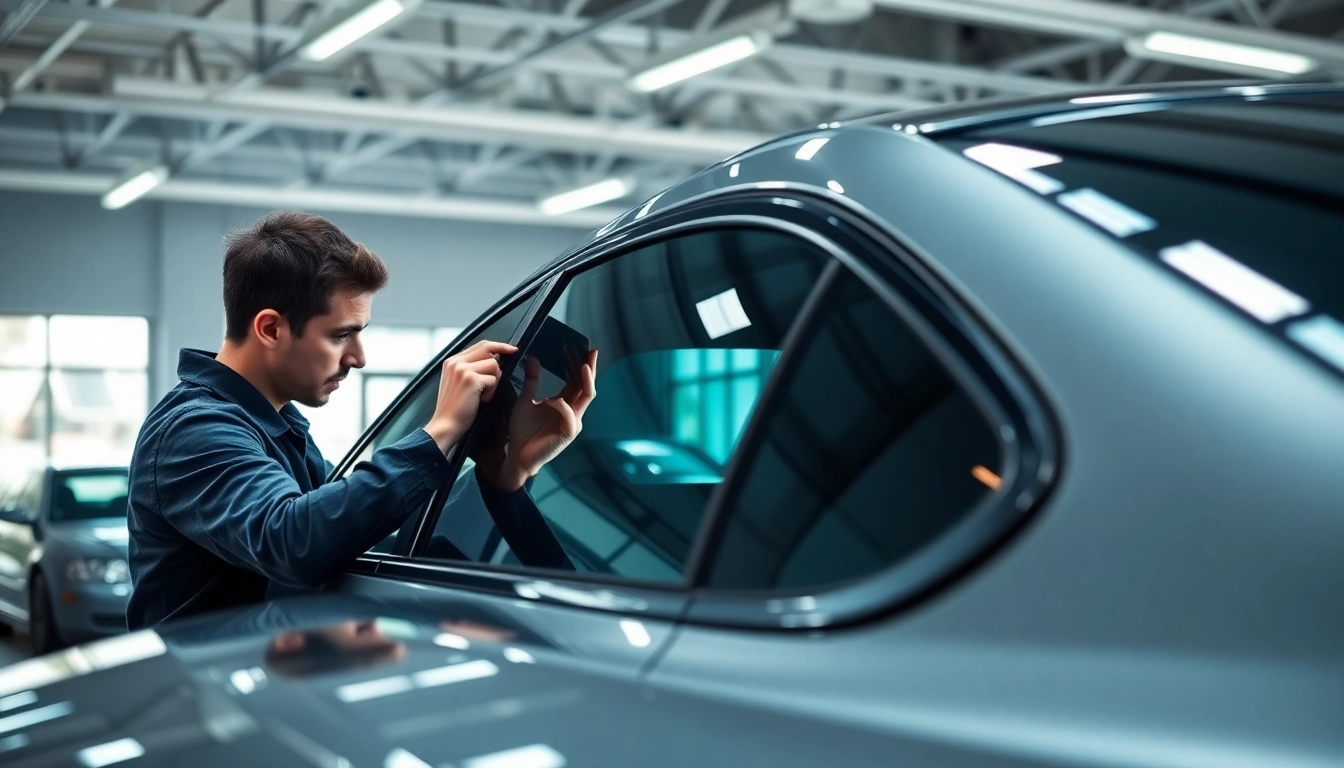
Understanding Window Tint Options
Types of Window Tint Available
When considering window tinting, it’s essential to understand the various types available, each catering to specific needs and preferences. Generally, window tints can be categorized into several types, including dyed, metalized, ceramic, and hybrid films.
- Dyed Tint: This is the most basic form, consisting of a tint layer dyed to darken your windows. While it offers privacy and aesthetic appeal, it lacks significant heat and UV protection.
- Metalized Tint: Made from tiny metal particles, metalized tints reflect heat and UV rays rather than absorbing them. This type increases durability and also provides a level of privacy without compromising on visibility.
- Ceramic Tint: Known for its high performance, ceramic window tints block up to 99% of UV rays while maintaining clarity. They do not interfere with electronic devices, making them popular for modern vehicles.
- Hybrid Tint: Combining the features of dyed and metalized tints, hybrid tints offer enhanced durability and better heat rejection, making them a versatile option for many vehicles.
Benefits of Window Tint Near Me
Choosing window tint near me can provide a variety of benefits. These include enhanced privacy, which discourages unwanted attention and provides a more comfortable driving experience. Furthermore, window tinting significantly reduces glare, making your time on the road safer, especially against bright sunlight. Additionally, it contributes to the longevity of your vehicle's interior by protecting leather and upholstery from fading due to sun exposure.
Choosing the Right Tint for Your Vehicle
Selecting the appropriate window tint involves considering several factors. First, assess your local laws regarding tint darkness and reflectivity, as these can vary significantly by location. Next, evaluate your needs: if UV protection is a priority, opt for ceramic options that provide maximum protection without compromising aesthetics. Lastly, consult with professionals who can recommend tints based on your vehicle’s make and model.
How Window Tinting Works
Technology Behind Window Tint
The technology behind window tint has advanced significantly in recent years. Most window tints consist of multiple layers of film, each serving a unique purpose. The outermost layer often features UV-blocking properties, reducing heat build-up inside the car while also protecting your skin from harmful rays. The core layers are designed to enhance the film's durability and heat rejection capacity, ensuring longevity and optimal performance.
Heat Rejection and UV Protection Explained
Heat rejection is a critical factor in choosing window tint. It refers to the tint's ability to block solar heat from entering the vehicle, keeping the interior cooler and more comfortable. The quality of movement and comfort inside your car improves, especially during summer months. UV protection is equally important, as prolonged exposure to UV rays can cause skin damage and contribute to the fading of automotive interiors. Good window tints provide high UV rejection rates, effectively protecting occupants from harm.
Legal Considerations for Window Tint
Before installing window tint, it’s crucial to familiarize yourself with the legal restrictions in your area. Laws concerning window tinting can dictate how dark you can go on front, rear, and side windows, which varies by state and municipality. Ensuring compliance will save you from potential fines and the hassle of having to remove or alter the tint later on.
The Installation Process of Window Tint
Steps to Prepare Your Vehicle
Preparing your vehicle for window tinting is essential to ensure a professional and long-lasting application. Start by cleaning your windows thoroughly; this includes removing any dirt, grime, and stickers that may impede the tint’s adherence. It’s also advisable to roll down any windows that are to be tinted to gain access to all edges.
Installation Techniques Explained
The actual installation of window tint typically involves several stages. Professionals begin by measuring and cutting the film precisely to the dimensions of your windows. Once cut, the film is applied using a combination of heat and pressure to create a seamless bond. A squeegee is often used to eliminate air bubbles and ensure a smooth, wrinkle-free surface.
Aftercare for Freshly Tinted Windows
After installation, it’s vital to follow specific aftercare procedures to maintain your newly tinted windows. Avoid rolling down tinted windows for at least 48 hours to allow the adhesive to set properly. Additionally, steer clear of cleaning products that contain ammonia, which can damage the film. Instead, use a gentle soap and water solution for routine cleaning.
Window Tint Maintenance Tips
Cleaning Your Tinted Windows
To keep your tinted windows looking their best, regular cleaning is essential. Use a microfiber cloth and a solution specifically designed for tinted windows. Avoid using abrasive materials or high-pressure washers, as these can scratch or damage the film.
Common Mistakes to Avoid
When maintaining your window tint, be mindful of common pitfalls, such as utilizing ammonia-based cleaners, which can degrade the film over time. Additionally, avoid cleaning your windows immediately after tint installation, as this can disrupt the curing process.
When to Replace Your Window Tint
Over time, window tint may require replacement due to wear and tear, fading, or bubbling. Signs that it’s time to replace your tint include reduced visibility, significant discoloration, or physical damage. Regular inspections can help ensure that your tint remains effective and aesthetically pleasing.
Frequently Asked Questions
What are the advantages of window tint near me?
Window tinting offers enhanced privacy, reduced glare, UV protection, and improved interior comfort. It also prevents upholstery fading, significantly extending the life of your vehicle’s interior.
How long does window tint installation take?
Installation time can vary based on the number of windows and the type of tint; however, most installations take between 2 to 4 hours. Always consult with a professional for a precise estimate.
Can I install window tint myself?
While DIY kits are available, professional installation is recommended for optimal results. Self-installation may lead to poor adherence and visual imperfections.
What is the lifespan of window tint?
On average, high-quality window tint can last anywhere from 5 to 15 years, depending on factors like the type of film used, the environment, and proper maintenance.
Is window tint legally allowed in my area?
Window tinting laws vary by location regarding darkness and reflectivity. It's essential to check your local regulations before installation to ensure compliance.