
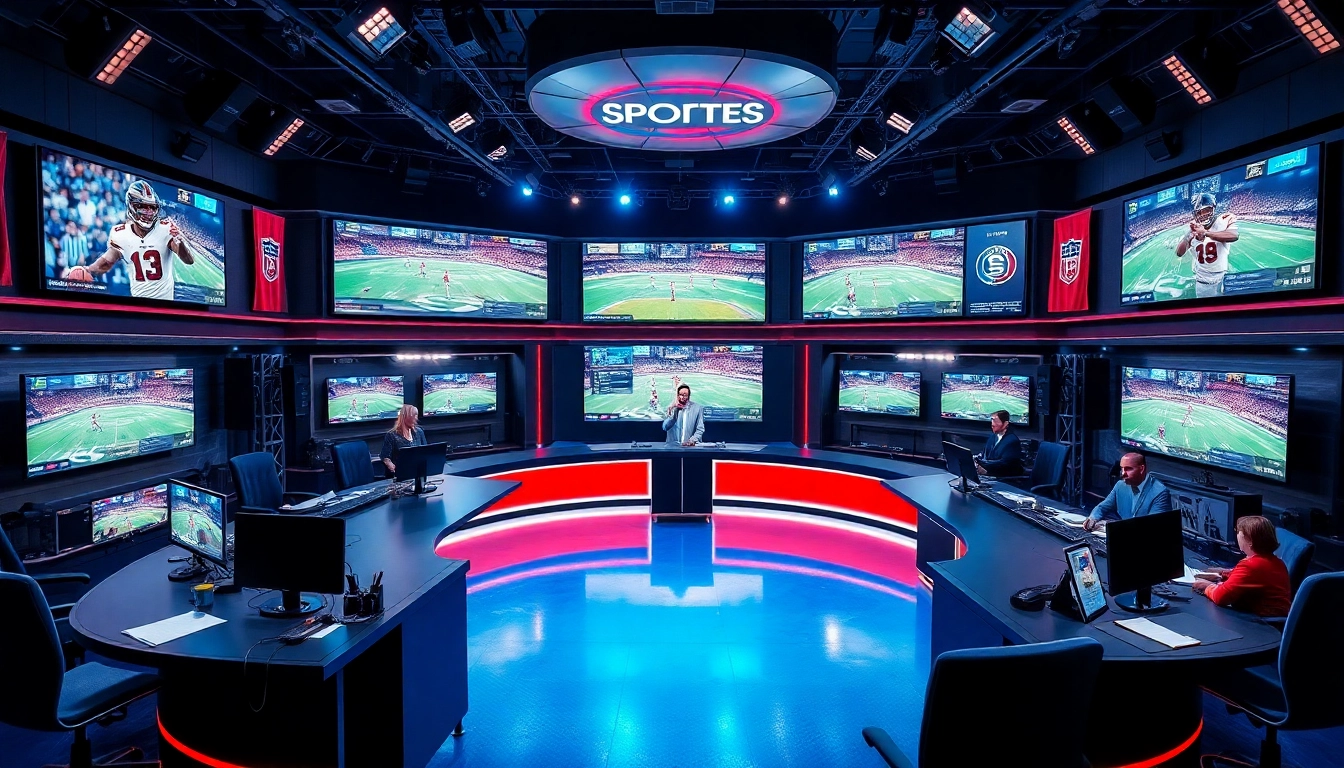
Understanding the Basics of Sports Broadcasting
What is Sports Broadcasting?
Sports Broadcasting refers to the dissemination of sports-related content through audio and video mediums to a wide audience. This encompasses live coverage of sporting events, commentary, highlight reels, and discussion programs that dissect game performances and athlete achievements. With the evolution of technology and media platforms, Sports Broadcasting has transformed from traditional radio and television to include streaming services, social media, and mobile applications, making it more accessible than ever.
Audiences now enjoy sports content wherever they are, integrating it into their daily lives. The rise of digital platforms has democratized Sports Broadcasting, allowing amateur content creators to reach audiences alongside established broadcasters. Major sporting events attract millions of viewers worldwide, highlighting the immense power and influence of this field in popular culture. As sports fans seek instant access to live updates and in-depth analysis, the demand for innovative broadcasting techniques and platforms continues to grow. For those looking to delve deeper into this dynamic industry, exploring Sports Broadcasting can provide valuable insights into trends, challenges, and career opportunities.
Key Roles in Sports Broadcasting
The world of Sports Broadcasting comprises various vital roles that contribute to the production and delivery of content. Each position plays a crucial part in creating an engaging viewing experience. Key roles include:
- Sports Anchors: These personalities present the news, highlights, and analyses of sports events, ensuring the delivery is both informative and entertaining.
- Play-by-Play Commentators: They provide real-time commentary during live events, describing the action as it unfolds.
- Analysts: Often former athletes or coaches, analysts offer in-depth breakdowns and expert opinions on gameplay, strategies, and player performances.
- Producers: Responsible for the overall production, producers coordinate the technical and creative aspects, ensuring broadcasts run smoothly.
- Cameramen and Technical Crew: This behind-the-scenes team ensures that visuals are captured effectively, employing advanced technology to deliver high-quality images and sound.
- Writers and Researchers: They gather information, statistics, and background stories that feed into the broadcasts, providing context and depth to the coverage.
Collaboration among these roles is essential to create a cohesive sports broadcasting experience that informs, educates, and entertains viewers.
Essential Equipment for Sports Broadcasting
To facilitate high-quality Sports Broadcasting, various types of equipment are essential. The following tools and technologies help create immersive viewing experiences:
- Cameras: High-definition cameras, including drones and robotic options, capture the action from multiple angles, providing dynamic viewing opportunities.
- Audio Equipment: Microphones and sound mixers enhance audio clarity, ensuring that commentators and ambient sounds are transmitted clearly to the audience.
- Broadcast Software: Tools for live streaming and editing are crucial for real-time production adjustments and post-event highlights.
- Graphics and Animation Software: This technology creates engaging visual effects, statistics overlays, and replays that enhance the presentation of the sports event.
- Streaming Equipment: For digital broadcasting, equipment that supports live streaming is necessary, allowing viewers to watch events on various platforms.
The combination of these elements determines the quality of broadcasts, influencing audience engagement and satisfaction.
Building a Successful Sports Broadcasting Career
Educational Paths for Sports Broadcasting
Building a career in Sports Broadcasting often begins with a solid educational foundation. Many professionals pursue degrees in journalism, communications, or broadcasting. These programs typically cover essential skills, including:
- Media Production
- Journalism Ethics
- Public Speaking and Presentation
- Research and Analytical Skills
- Sports Knowledge
Internships with local broadcasters, sports teams, or online platforms can provide practical experience. Networking opportunities through university programs can also lead to industry connections that are vital for launching a career.
Networking in the Sports Broadcasting Industry
Networking is a crucial component of success in Sports Broadcasting. Building relationships with professionals can lead to job opportunities, mentorship, and knowledge sharing. Consider these strategies:
- Attend Industry Events: Conferences, trade shows, and networking events allow aspiring broadcasters to meet industry veterans and fellow enthusiasts.
- Join Professional Organizations: Membership in associations such as the National Association of Broadcasters can provide access to resources and networking opportunities.
- Utilize Social Media: Platforms like LinkedIn and Twitter can connect professionals across the globe. Engaging with relevant content and participating in discussions can increase visibility.
- Informational Interviews: Reach out to established professionals for informational interviews to learn about their career paths and gain insights into the field.
Effective networking can significantly enhance one’s career trajectory in the competitive world of Sports Broadcasting.
Skills Required for Sports Broadcasting Success
To thrive in Sports Broadcasting, one must possess a diverse skill set. Essential skills include:
- Communication: Clear and engaging communication is vital for conveying information to the audience effectively.
- Research and Analysis: Being able to analyze game statistics and provide insightful commentary is crucial.
- Technical Proficiency: Familiarity with broadcasting equipment and editing software can set a candidate apart.
- Creativity: Innovative storytelling and presentation styles can captivate an audience, making broadcasts more memorable.
- Adaptability: The ability to improvise and adjust in real-time during live broadcasts is critical for success.
By developing these skills, aspiring broadcasters can position themselves competitively within the industry.
Trends Transforming Sports Broadcasting
Impact of Social Media on Sports Broadcasting
Social media has significantly transformed the landscape of Sports Broadcasting. Platforms such as Twitter, Facebook, and Instagram allow fans to engage directly with live broadcasts. Key impacts include:
- Instant Interaction: Viewers can share their opinions in real-time, fostering a community around shared experiences.
- Highlight Sharing: Clips and highlights are readily available, promoting discussion and increasing fan engagement.
- Access to Behind-the-Scenes Content: Organizations use social media to share exclusive content that enhances viewer connection to teams and athletes.
- Increased Reach: Broadcasters can tap into diverse audiences through targeted social media campaigns that broaden their viewership.
The integration of social media with Sports Broadcasting creates a more interactive and immersive experience for fans.
Emerging Technologies in Sports Broadcasting
Technological advancements continue to reshape how sports are broadcasted. Significant trends include:
- Virtual Reality (VR) and Augmented Reality (AR): These technologies provide immersive experiences, allowing fans to engage with games in entirely new ways.
- Streaming Services: With the rise of platforms prioritizing on-demand viewing, traditional broadcasters are forced to adapt to maintain their relevance.
- Data Analytics: Enhanced data collection and analysis tools allow broadcasters to provide real-time insights that enrich the audience's understanding of the game.
- AI and Automation: AI-driven tools are being used for content curation and even automated commentary, representing a shift towards smarter broadcasting methods.
As technology evolves, sports broadcasters must remain agile, adapting strategies to leverage new tools and maintain audience engagement.
The Future of Sports Broadcasting: What to Expect
The future of Sports Broadcasting promises to be even more dynamic and integrated. Upcoming trends likely include:
- Enhanced Personalization: Leveraging AI to deliver tailored content to viewers based on their preferences and viewing habits.
- Increased Accessibility: Efforts to reach underserved communities through innovative broadcasting methods that cater to diverse audiences.
- Expanded Multi-Screen Viewing: Enhanced experiences that allow users to view multiple angles, stats, and analyses simultaneously on various devices.
- Greater Focus on Sustainable Practices: Adoption of eco-friendly broadcasting practices in response to increasing awareness of climate issues.
As the industry adapts to viewer needs and technological advancements, sports broadcasting will likely continue to evolve, becoming more inclusive and engaging for all audiences.
Creating Compelling Sports Broadcasts
Storytelling Techniques in Sports Broadcasting
Engaging storytelling is at the heart of effective Sports Broadcasting. By weaving narratives around teams, players, and events, broadcasters can create compelling content that resonates with viewers. Techniques include:
- Character Development: Create stories that highlight athletes' journeys, including their challenges and triumphs, which can evoke emotional connections.
- Contextual Analysis: Providing background information about games, rivalries, and significant teammate dynamics can enrich the viewing experience.
- Using Quotes: Incorporating player and coach quotes adds authenticity and depth to the narratives presented during broadcasts.
- Building Suspense: Pacing the story to generate anticipation and excitement enhances the emotional impact of key moments during a game.
Effective storytelling captivates audiences, making broadcasts not only informative but also memorable.
Engaging Your Audience During Broadcasts
Maintaining audience engagement during broadcasts is crucial for viewer retention. Strategies to achieve this include:
- Interactive Elements: Polls and social media interactions can make viewers feel involved and valued during broadcasts.
- Real-Time Analysis: Providing immediate, insightful commentary about ongoing gameplay keeps the audience informed and engaged.
- Guest Appearances: Inviting players and analysts during broadcasts can offer varied perspectives, enriching the audience’s experience.
- Thematic Segments: Incorporating recurring segments that viewers can anticipate builds familiarity and loyalty among fans.
By actively engaging with the audience, broadcasters can cultivate a devoted following and enhance their overall impact.
Analyzing Game Performance for Better Coverage
Thorough game analysis is essential for delivering insightful broadcasts. Developing a structured approach includes:
- Data Collection: Comprehensive stats and metrics should be gathered before and during games for accurate commentary.
- Performance Metrics: Utilize key performance indicators (KPIs) to assess player and team effectiveness, providing a factual basis for discussion.
- Tactical Assessment: Evaluating team strategies helps contextualize performances and anticipate future developments in games.
- Post-Game Analysis: Detailed breakdowns following events allow for deeper discussions and can help inform future broadcasts.
By performing thorough analyses, broadcasters enhance their credibility and provide meaningful insights for their audiences.
Measuring Success in Sports Broadcasting
Key Metrics for Evaluating Sports Broadcasts
Measuring the success of Sports Broadcasting is crucial for understanding audience engagement and areas for improvement. Key performance indicators include:
- Viewership Ratings: Tracking the number of viewers during broadcasts provides insights into the reach and impact of the content.
- Engagement Rates: Analyzing social media interactions, comments, and shares gauges audience interest and participation.
- Demographics: Understanding the audience's demographics helps tailor content to meet viewer preferences more effectively.
- Ad Revenue: Revenue generated through advertisements during broadcasts reflects commercial viability and success.
By continuously monitoring these metrics, broadcasters can adjust their strategies to enhance future broadcasts.
Feedback and Continuous Improvement in Broadcasting
In an industry driven by viewer preferences, feedback is vital for growth. Methods for gathering and utilizing feedback include:
- Surveys and Polls: Collecting viewer feedback through surveys can provide valuable insights into audience preferences and experiences.
- Focus Groups: Engaging small groups of viewers can yield in-depth feedback about broadcasts, enabling targeted improvement efforts.
- Social Media Monitoring: Keeping tabs on viewer comments and discussions on social platforms can highlight strengths and areas needing attention.
- Performance Reviews: Regularly assessing broadcast outcomes against set objectives can lead to continual learning and adjustments.
Continual improvement helps maintain relevance and enhance viewer satisfaction in a fast-paced industry.
Staying Relevant in a Fast-Paced Industry
The Sports Broadcasting industry is ever-changing, with new trends and technologies continuously emerging. Key strategies for staying relevant include:
- Ongoing Education: Participating in workshops and training programs can help professionals stay updated on industry standards.
- Embracing Change: Being open to new technologies and platforms is crucial for adapting to audience expectations and preferences.
- Innovation: Experimenting with new formats and storytelling methods can distinguish broadcasters in a crowded field.
- Building a Personal Brand: Establishing a unique personal brand on social media and other platforms can attract dedicated audiences.
By focusing on these strategies, sports broadcasters can maintain a competitive edge while delivering high-quality content.
Frequently Asked Questions
What qualifications do I need for a career in sports broadcasting?
A degree in journalism, communications, or broadcasting is common, alongside internships and practical experience in production or reporting.
How can I improve my on-air presence?
Practice regularly, seek feedback from peers, and study successful broadcasters to improve your delivery and confidence on air.
What role does technology play in sports broadcasting?
Technology enhances the viewing experience through high-quality visuals, instant analysis, and data-driven insights that inform broadcasts.
How important is storytelling in sports broadcasting?
Storytelling is crucial as it connects viewers emotionally and engages them, transforming simple game coverage into compelling narratives.
What are the latest trends in sports broadcasting?
Current trends include increased social media engagement, integration of VR/AR technologies, and personalized content delivery for viewers.